

Last Updated: October 30, 2026
Quick Summary
Choose on-camera acting coaching based on fit rather than price, looking at the format, the coach’s focus, and how they give feedback. Strong programs teach close-range technique, include repeated filmed work so you can review your own performance, and offer homework and a clear plan between sessions.
- Judge programs by fit, not price, when choosing on-camera acting coaching.
- Screen acting differs from stage work: quiet choices read on camera, while big gestures can look exaggerated.
- Combine group classes for foundational habits with private coaching aimed at a specific audition or role.
- Use a laptop-compatible setup: camera at eye level, soft indirect light, and a wired or USB microphone.
- Ask prospective coaches to walk through a single session and confirm filmed review is part of it.
Table of Contents
- What On-Camera Acting Coaching Covers
- How On-Camera Acting Differs From Stage Work
- Private On-Camera Acting Coaching vs. Group Classes
- Online Acting Classes for Actors: Setup and Requirements
- Acting Coach for Auditions: What Preparation Looks Like
- Self-Tape Coaching for Actors: Filming and Feedback
- Choosing a Coach and Booking Your First Session
- Frequently Asked Questions
Choosing on-camera acting coaching for actors is one of the most consequential decisions an aspiring performer makes, and most people get it wrong by focusing on price instead of fit. The right format and the right coach matter a great deal when preparing for TV, film, and commercial work. Film and screen acting differs from stage work in ways that show up immediately on camera.
What On-Camera Acting Coaching Covers
On-camera acting coaching is instruction focused on the technique that works in front of a lens.
The best programs also address the industry context: how casting works, what casting directors expect from a submission, and how to build a working understanding of genres like commercial, television, and feature film. Ask any prospective coach what their students actually do between sessions.
How On-Camera Acting Differs From Stage Work
Stage acting projects to the back row. Screen acting happens inches from a lens that captures every blink.
This difference changes how you prepare. On camera, you work with the camera’s framing, your eyeline, and continuity from shot to shot.
Many experienced stage actors discover that their instincts need adjusting. That adjustment is normal, and a good coach will identify exactly which habits to change.
Private On-Camera Acting Coaching vs. Group Classes
Private coaching and group classes serve different needs, and neither is automatically better. Private sessions can give you concentrated attention on your specific weaknesses and a schedule built around your audition calendar.
Group classes offer peer observation and exposure to different scene partners and approaches, and small classes allow individual attention. For a concrete group option, see Thursday acting class in Ventura, which mixes beginners and working actors in scene study.
For current pricing, which depends on format and program details, contact Ventura Actors Studio directly or visit our website for a quote.
Online Acting Classes for Actors: Setup and Requirements
Online coaching only works when the coach can see and hear what a casting director will see and hear. Most technical problems in a remote session are avoidable with thirty minutes of setup before the first class. This section covers the camera, lighting, sound, framing, and connection details that make remote coaching as useful as in-person work.
Camera and framing
Use the best camera you already own before buying anything new. A recent smartphone or a laptop webcam both work if the framing is right.
If you use a phone, mount it rather than propping it against something. A stable image lets the coach read subtle work. Test the framing before the session by recording a ten-second clip and watching it back at the size a casting director would view it.
Lighting
You do not need a lighting kit. A window with soft, indirect light in front of you is usually better than a ring light. Avoid sitting with a bright window behind you, which turns your face into a silhouette. If you coach in the evening, a single soft light placed slightly above eye level and in front of you will read cleanly on camera.
Sound
Audio matters more than most actors expect. A laptop microphone picks up room echo and keyboard noise. A wired earbud microphone or a simple USB microphone improves clarity immediately. Record a test clip and listen with headphones: if you can hear a hum, a fan, or traffic, the coach can too. Soft furnishings, curtains, and a rug reduce echo more than any software filter.
Connection quality
A stable connection matters more than a fast one. Wired internet or a strong Wi-Fi signal in the room where you coach prevents the frozen frames and dropped audio that break the rhythm of a scene. Close background apps and ask others in the household to avoid heavy streaming during your session. If your connection drops, the coach cannot give useful notes on a performance they only half saw.
Join our acting classes in Ventura today! →
What to confirm before the first online session
- Platform and link: Which video platform, and will the coach send a link in advance?
- Recording: Are sessions recorded, and do you receive the footage or a replay?
- Sides and preparation: What should you prepare, and how will sides be shared?
- Backup plan: What happens if the connection fails mid-session?
Run a full test call with a friend on the same platform a day before your first session. Check framing, lighting, sound, and connection in one pass so the first paid hour is spent acting, not troubleshooting.
Online coaching can be a practical option for performers, and the actors who get the most from it are the ones who treat the setup as part of the training.
The table below summarises the key setup points for remote coaching, so you can check each one before your first session.
| Setup area | Recommended approach | Why it matters |
|---|---|---|
| Camera and framing | Eye level, chest up | Shows small facial choices |
| Lighting | Soft, indirect light in front | Avoids hiding micro-expressions |
| Sound | Wired earbud or USB microphone | Removes room echo and noise |
| Connection | Wired or strong Wi-Fi | Prevents frozen frames and dropouts |
| Test run | Full test call a day before | Keeps the first paid hour on acting |
Acting Coach for Auditions: What Preparation Looks Like
Audition preparation is distinct from general training. A coach focused on auditions helps you break down sides, make strong choices quickly, and deliver a clear performance under time pressure.
Good audition coaching typically includes reading sides cold, testing several interpretations, and getting feedback on what the casting team will see first. For a step-by-step guide, see how to prepare for a commercial audition.
Self-Tape Coaching for Actors: Filming and Feedback
Many auditions now start with a self-tape, which makes self-tape skill as important as in-room performance. Self-tape coaching typically covers framing, lighting, audio quality, slating, and how to deliver a performance that reads clearly on a small screen.
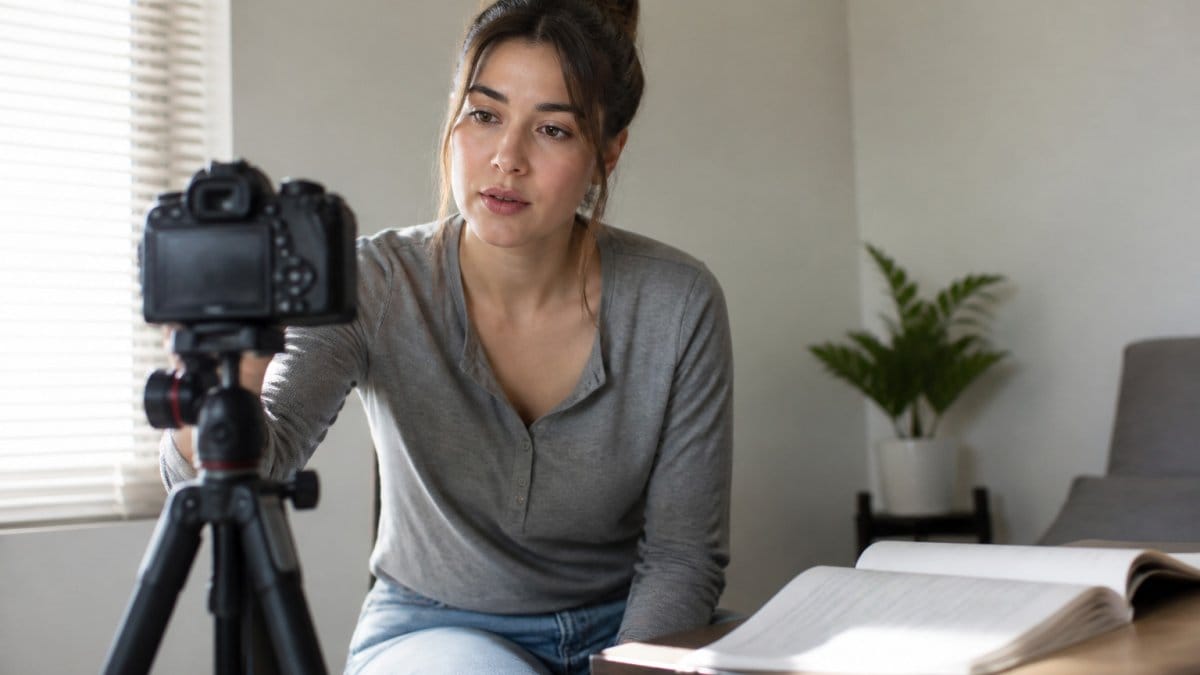
A useful coaching session reviews your footage critically: Is the framing consistent? Can the reader’s lines be heard? To plan your footage from the start, see how to build a professional acting demo reel.
Choosing a Coach and Booking Your First Session
Most actors compare coaches on price alone, then discover three sessions in that the teaching style, format, or feedback loop does not match how they learn. To compare serious adult acting classes by level and goal, read acting classes for serious adult actors. A better approach is to compare coaches on the same five criteria, in the same order, so the decision is based on fit rather than first impressions. If you are ready to hire a local coach, see the best acting classes in Ventura County.
A side-by-side comparison framework
Use this framework to evaluate any coach or studio you are considering. Score each criterion from 1 to 5 and compare the totals rather than letting one strong impression dominate.
- Teaching approach: Does the coach work from repetition and filmed review, from script analysis and character work, or from improvisation and instinct? Ask for a specific example of how they handled a student who was overplaying a close-up. The answer tells you more than any bio.
- Session format: Private one-on-one, small-group, or online. Confirm the maximum class size and how much individual filmed time each student gets per session. A “small class” can mean six students or sixteen.
- Specialization: Commercial, television, feature film, self-tapes, and voice-over reward different skills. A coach who is excellent for commercial callbacks may not be the right fit for a dramatic co-star audition.
- Feedback process: Do you receive filmed review during the session, written notes afterward, or both? Written notes you can revisit before an audition are worth more than verbal notes you have to remember.
What a typical session looks like
Ask any prospective coach to walk you through a single session from start to finish.
- Warm-up and check-in (5-10 minutes): The coach reviews what you are working toward, whether that is a specific audition, a self-tape, or a general technique goal.
- Sides and preparation (10-15 minutes): You break down the scene, discuss the character’s objective, and make initial choices.
- Filmed work (20-30 minutes): You perform on camera, often several times, with adjustments between takes. The coach may change the framing, the reader’s energy, or the given circumstances to test how you adapt.
- Review and notes (10-15 minutes): You watch the footage together and the coach gives specific notes on what read on camera and what did not.
- Follow-up: Strong programs send written notes or a clip after the session and assign homework before the next one.
If a coach cannot clearly describe how a session is structured, or if filmed work is not part of it, ask why. On-camera coaching without camera review is stage coaching with a lens in the room.
How to evaluate progress
Vague promises about “booking more” are not a measurement. Ask how the coach tracks progress across sessions. A practical framework uses three checkpoints:
- Audition technique: Are your choices landing faster? Can you break down sides cold in less time than when you started?
- Self-tape quality: Is your framing, lighting, and audio consistent from tape to tape, and does your performance hold up in a tight shot?
- Confidence under direction: Can you take a redirect on the spot without losing the scene?
Ask for a sample of the coach’s written feedback, with student names removed, so you can judge whether the notes are specific and actionable.
Questions to ask before you book
- What is the maximum class size, and how much individual filmed time will I get?
- Do you record sessions, and do I keep the footage?
- What is your cancellation and rescheduling policy?
- What should I bring to the first session?
- Can you describe a student who improved under your coaching and what changed?
Book a single session before committing to a package. Observe how the coach gives notes, whether the feedback is specific to what the camera captured, and whether you leave with a clear next step. The quality of the first session’s feedback is the best predictor of what the next ten will be worth.
Frequently Asked Questions
What does an on-camera acting coach help actors with?
An on-camera acting coach works on the skills that differ when the lens is close: hitting marks, adjusting volume and energy for a tight frame, keeping eyelines natural, and making small changes in the face read on screen. Coaches also work on scene study and character development so performances feel lived-in rather than played for a room. Many coaches run mock auditions and give notes on how the work reads on camera.
Is private acting coaching better than group classes?
Private coaching can give you direct, individualized notes on your specific weaknesses, which suits actors preparing for a particular audition or working on one skill. Group classes give you practice reading in front of others and watching peers work. Many actors combine both: a group class for ongoing reps and private sessions when a project is coming up. Compare the number of students, how often you get to perform on camera, and whether the coach gives written or recorded feedback.
What should actors look for in an acting coach for auditions?
Look for a coach who works in the same kind of material you audition for, whether that is television, film, or commercials, and who can explain how casting directors evaluate a read. Ask whether sessions include cold reads, sides work, and self-tape filming. Check whether the coach has industry experience and ask for examples of how past students applied the work in real auditions.
How do actors prepare for an on-camera coaching session?
Bring the material you plan to work on, such as sides, a monologue, or a scene, and read it through at least twice before the session. Note the character’s objective and the emotional beats in each scene so you can discuss choices with your coach. Arriving with specific questions about a past audition or a note you received helps the coach focus the time on what you need most.


Related Posts
Best Acting Resume Fonts and Layouts That Book Roles
Your acting resume fonts and layout decide your first impression. Compare…

Is Professional Acting Training Worth the Cost?
Before you pay for acting training, total tuition, living costs, lost income…
Professional Acting Training for Kids: What Parents Should Check
Acting training for kids can build confidence, but program quality varies…