
Table of Contents
- What to Look for in Acting Classes
- Acting Classes for Beginners in Southern California
- On-Camera Acting and Film Technique Training
- Audition Preparation Classes That Deliver Results
- Scene Study Classes and Script Analysis
- Acting Class Cost: What to Expect and How to Choose
- Programs for Kids, Teens, and Young Adults
- How to Select the Right Acting Classes for Your Goals
- Frequently Asked Questions
Last Updated: October 12, 2026
What to Look for in Acting Classes
Choosing the right acting classes depends on your experience level, career goals, and what you hope to achieve. Whether you’re exploring acting for the first time or preparing for professional auditions, the best acting classes in southern in California should offer hands-on training, experienced instructors, and practical tools you can use immediately.
Look for programs that emphasize on-camera technique alongside traditional scene study. Small class sizes matter, they allow instructors to give personal feedback rather than lecturing to a room of thirty students. You’ll also want instructors with real industry experience. Someone who has worked as a professional actor, casting director, or on set understands what casting directors actually want to see.
The teaching method matters too. Some acting classes focus heavily on theory and emotional exploration. Others prioritize the technical skills you need for auditions and self-tapes. The best acting training combines both: understanding character psychology while mastering the camera work that gets you booked.
Ask prospective studios about their instructors’ credits. If they’ve worked on television, film, or national commercials, they can teach you what actually works in audition rooms and on set, not just textbook acting theory.
Acting Classes for Beginners in Southern California
If you’re new to acting, you need classes that welcome you without assuming prior experience. Beginner acting classes should teach fundamental techniques while building your confidence in front of the camera.
Many beginners worry they’ll be behind other students or that they lack “natural talent.” That’s a misconception. Acting is a learnable skill. The right acting training for beginners focuses on breaking down the fundamentals: script analysis, character work, emotional authenticity, and camera awareness. At Ventura Actors Studio, we work with students at all levels in mixed classes, which means you’ll learn from more experienced actors while building your foundation.
Beginner acting classes should cover the essentials: how to analyze a script, find your character’s motivation, take direction, and handle the technical aspects of on-camera work. You’ll also learn how to manage audition nerves and prepare self-tapes, which are increasingly common in casting.
The right environment matters. Look for acting training that feels supportive rather than competitive. You’re learning a craft, not auditioning for a spot on a reality show. Studios that emphasize collaboration over performance anxiety tend to produce better results.
Beginner acting classes work best when they combine character work with camera technique. You need both the emotional foundation and the technical skills to succeed in auditions and on set.
On-Camera Acting and Film Technique Training
The difference between stage acting and on-camera acting is significant. On camera, subtlety wins. A gesture that works in a theater will read as overacting on film. Your eyes, micro-expressions, and the way you hold tension in your face matter enormously.
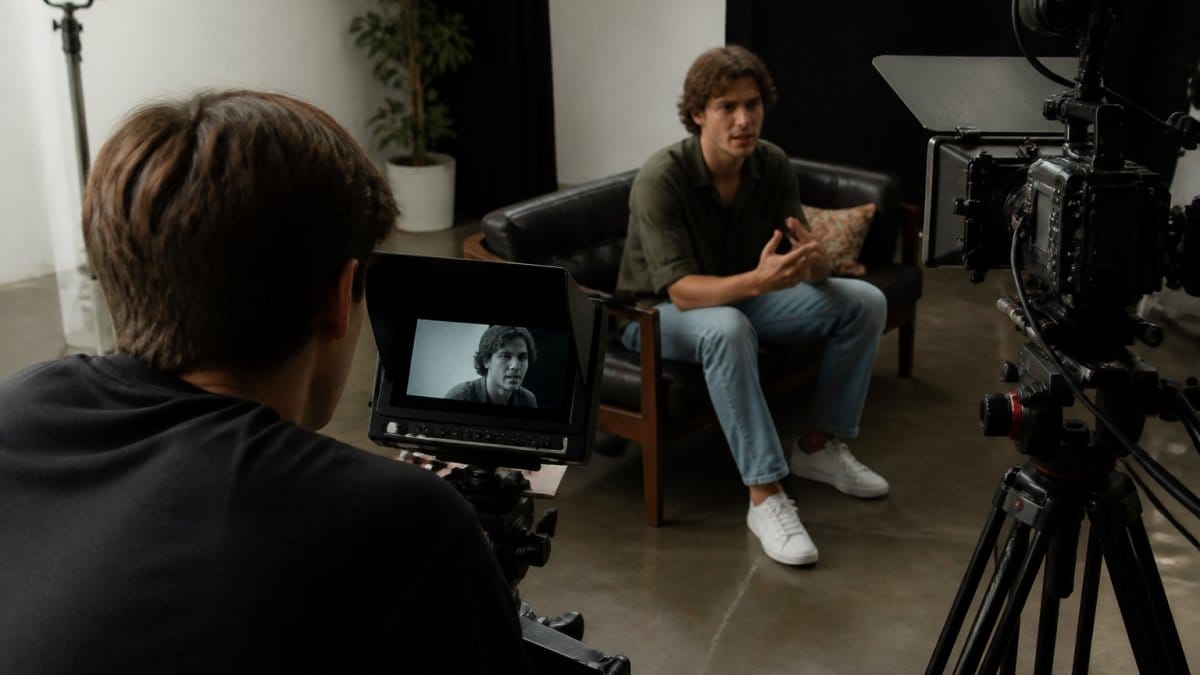
On-camera acting classes teach you how the camera sees you differently than a live audience does. You’ll learn framing, how to hit your mark, how to deliver lines naturally despite technical constraints, and how to work with a director who might ask for multiple takes or specific adjustments mid-scene. Professional on-camera training also covers self-tape technique, which has become essential, many casting directors now see self-tapes before meeting actors in person.
Film acting requires understanding continuity, working with boom operators and cinematographers, and staying in character between takes. Television acting adds the pressure of shooting quickly and efficiently. Commercial acting demands something different entirely: the ability to take direction instantly and make small adjustments on the fly.
The best acting training for on-camera work includes practice with actual cameras, not just rehearsal space. You need to see how you look on film, get comfortable with the technical setup, and develop the ability to deliver authentic performances despite the machinery around you.
Audition Preparation Classes That Deliver Results
Audition preparation is where many acting classes fall short. They teach scene work beautifully but don’t prepare you for the specific pressures and formats of real auditions.
Strong audition preparation classes teach you how to handle the audition room itself. You’ll learn how to enter confidently, take direction from casting directors, recover from mistakes, and deliver your best work under pressure. You’ll also practice self-tape auditions, which now account for the majority of initial submissions.
A common mistake is treating audition prep as just more scene study. It’s not. Audition technique is its own skill. You need to learn how to make quick character choices, how to slate properly, how to handle cold readings, and how to manage the anxiety that comes with rejection.
The best audition preparation classes include mock auditions where you experience realistic pressure. You’ll get feedback on your slate, your scene work, and your overall presence. You’ll also learn how to prepare sides quickly and make strong choices under time pressure.
Many actors freeze during auditions despite being excellent in class. This happens because they haven’t trained specifically for audition conditions. Audition preparation classes bridge that gap by teaching you to perform under pressure, not just in a safe rehearsal space.
Scene Study Classes and Script Analysis
Scene study is the foundation of serious acting training. It teaches you how to break down a script, understand your character’s objectives, and make meaningful choices that drive a scene forward.
In scene study classes, you’ll learn to analyze dialogue for subtext, what’s really being said beneath the words. You’ll explore character psychology, motivation, and how your character changes throughout a scene. Script analysis teaches you to ask the right questions: What does my character want? What’s stopping them from getting it? What do they do to overcome that obstacle?
The best scene study classes use scripts from actual film and television, not just stage plays. This matters because film scripts are structured differently. Scenes are shorter, dialogue is more naturalistic, and the emotional beats are subtler. Training with material you’ll actually encounter in auditions makes the work immediately applicable.
Scene study also teaches you to work with scene partners effectively. You’ll learn how to listen authentically, respond in the moment, and create real interaction rather than just reciting lines. This skill directly translates to auditions and on-set work.
Acting Class Cost: What to Expect and How to Choose
Cost varies significantly depending on class format, instructor experience, and program length. When evaluating acting classes, consider what’s included: class size, instructor credentials, material covered, and whether you get recorded feedback or self-tape reviews.
Join our acting classes in Ventura today! →
Some programs charge per class, others require monthly commitments. Some offer drop-in rates for occasional students, while others require enrollment in multi-week sessions. The most important question isn’t “What’s the cheapest option?” but “Will this training actually help me book roles or achieve my goals?”
When comparing acting class options, look beyond the price tag. An inexpensive class with a large group and a part-time instructor won’t serve you as well as a higher-investment program with experienced professionals and personalized attention. Conversely, expensive doesn’t always mean better, some studios charge premium prices without delivering results.
Ask prospective studios about student outcomes. Have their alumni booked professional roles? Are they working in TV, film, or commercials? At Ventura Actors Studio, our alumni have booked roles on Grey’s Anatomy, Netflix films, and national commercials. That’s the kind of track record that matters when you’re deciding where to invest your time and money.
Consider the commute as well. If you’re spending two hours driving to class, you’re losing time you could spend on auditions or self-tape prep. Local acting training that’s convenient to your schedule is often more valuable than a prestigious studio across the region.
Programs for Kids, Teens, and Young Adults
Acting training for younger students requires a different approach than adult classes. Kids and teens need instruction that builds confidence, teaches technique, and keeps them engaged.
The best acting programs for young people balance skill-building with fun. They should teach scene study and on-camera technique without making it feel like work. Young actors also benefit from age-appropriate material, scripts and scenes that reflect their experiences and interests.
For teens specifically, audition preparation becomes increasingly important. Teens who want to pursue acting seriously need to learn how to handle the professional audition process, work with agents, and manage the emotional challenges of rejection. Programs that include commercial audition training and self-tape technique prepare teens for real industry work.
Young adult actors often need bridge training between school programs and professional work. They need to learn the specific skills casting directors expect: how to take direction quickly, how to work on set, and how to navigate the business side of acting. This is where industry-focused acting training makes a real difference.
How to Select the Right Acting Classes for Your Goals
Your choice of acting classes should align with your specific goals. Are you exploring acting as a hobby? Building confidence? Pursuing a professional career? Your answer shapes which program makes sense.
If your goal is professional work in TV, film, or commercials, you need acting training that emphasizes on-camera technique, audition preparation, and industry navigation. Hobbyist classes won’t prepare you for professional auditions. If you want to build confidence and explore acting recreationally, a less intensive program might be appropriate.
Consider your schedule and commitment level. Professional-track acting training typically requires consistent attendance, missing classes means losing continuity in your training. If you can’t commit to regular classes, you might benefit from intensive workshops or private coaching instead.
Think about your learning style too. Some actors thrive in group classes where they learn from other students. Others prefer the focused attention of private coaching. Many benefit from a combination: group classes for technique and community, plus occasional private sessions for specific challenges.
| Goal | Class Type | Key Features | Time Commitment |
|---|---|---|---|
| Professional career (film/TV) | On-camera + audition prep | Small classes, industry-focused instructors, real scripts | 2-3 classes/week minimum |
| Audition confidence | Audition-specific classes | Mock auditions, self-tape training, pressure practice | 1-2 classes/week |
| Scene study depth | Scene study classes | Script analysis, character work, script breakdown | 1-2 classes/week |
| Beginner exploration | Mixed-level beginner classes | Fundamentals, camera comfort, low-pressure environment | 1 class/week |
| Kids/teens | Age-appropriate programs | Age-matched material, confidence-building, fun | 1-2 classes/week |
The best acting classes in southern in California should make you feel challenged but supported. You should leave class with concrete tools you can apply immediately, to your next audition, your self-tape, or your scene work. If you’re not learning skills you can use, it’s time to reassess.
At Ventura Actors Studio, we focus on giving students real tools for real work. Founded by award-winning actress and producer Gina Nemo, our studio emphasizes industry-focused training with small class sizes and instructors with over 40 years of combined experience in theater, television, film, and casting.
Choosing the right acting classes requires balancing your goals, budget, and schedule with the quality of instruction available. The best acting training combines technique, real-world practice, and experienced guidance.
Frequently Asked Questions
What’s the difference between community theater and on-camera acting classes?
Community theater focuses on stage performance and reaching audiences in a theater space. On-camera acting classes teach you how to work with cameras, hit your marks, adjust your performance scale for close-ups, and deliver takes that work in editing. Film and television require different techniques, your expressions, voice, and movements must work within the camera frame. Professional acting classes in Southern California emphasize on-camera technique because that’s what casting directors and producers evaluate during auditions.
How long does it typically take to see results from acting classes?
Actors often notice improvement in confidence and technique with consistent training. Booking results depend on your experience level, how actively you audition, and the roles available in your market. The key is regular attendance and applying what you learn to actual auditions.
Are acting classes for beginners different from advanced training?
Yes. Beginner acting classes focus on fundamentals: basic technique, overcoming stage fright, understanding character, and learning how cameras work. Advanced classes assume you know the basics and dive into complex scene work, character psychology, audition strategy, and industry navigation. Many studios offer mixed-level classes where beginners and experienced actors train together, which allows instructors to give individual attention while building a collaborative environment.
What should I look for in audition preparation classes?
Effective audition preparation classes teach you how to analyze scripts quickly, make strong character choices, handle nerves, deliver multiple takes, and create self-tapes that book roles. Look for instructors with real casting experience who understand what casting directors want. Classes should include mock auditions, feedback on your performance, and strategies for common audition situations like cold reads and direction changes. Avoid classes that only teach monologues; real audition prep mirrors what happens in actual audition rooms.
Related Posts
Best Acting Resume Fonts and Layouts That Book Roles
Your acting resume fonts and layout decide your first impression. Compare…


Is Professional Acting Training Worth the Cost?
Before you pay for acting training, total tuition, living costs, lost income…
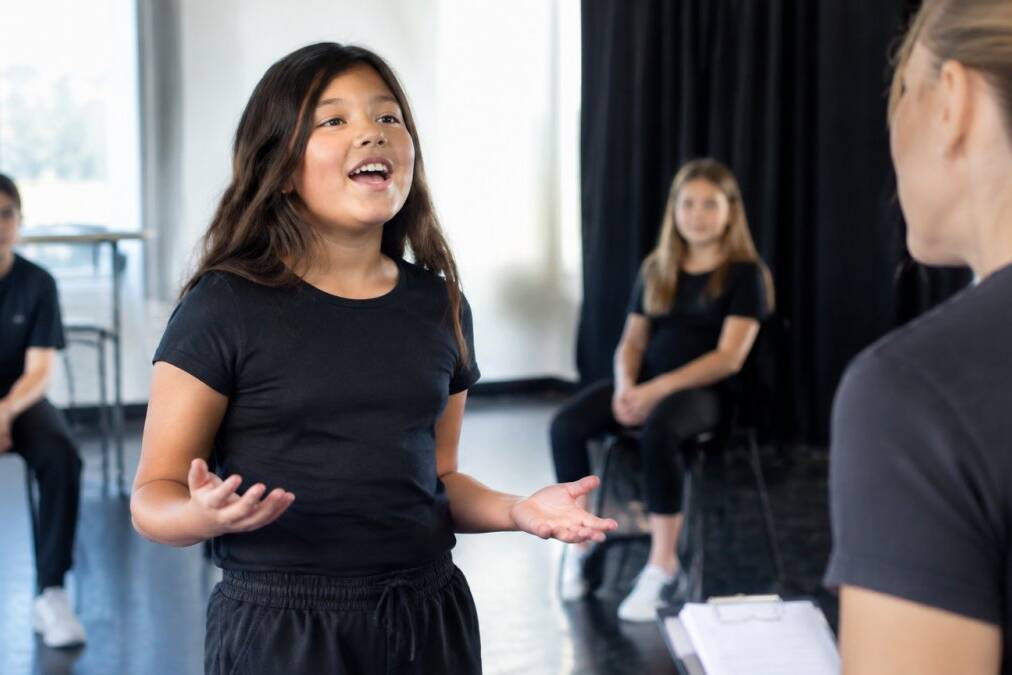
Professional Acting Training for Kids: What Parents Should Check
Acting training for kids can build confidence, but program quality varies…