

Last Updated: November 4, 2026
Quick Summary
Acting classes build craft, but they rarely guarantee auditions on their own. Auditions depend on representation, submission channels, and the professional relationships you build alongside training. Choose programs that explain how students actually reach casting opportunities.
- Acting classes develop skill, while casting access depends on representation and submission channels.
- Ask whether a program explains how students receive audition notices, not just what they practice.
- Keep your acting resume to one page, listing only roles you actually performed.
- Pair your resume with a short, well-edited reel of your strongest on-camera moments.
- Compare programs on total cost, class hours, eligibility, and prerequisites before enrolling.
Table of Contents
- Why Most Acting Classes Don’t Automatically Lead to Auditions
- Skill-Building Versus Casting Access: The Difference That Matters
- Audition Preparation Techniques That Carry Into the Room
- On-Camera Acting Workshops and Why They Matter for TV, Film, and Commercials
- Building an Acting Resume That Casting Teams Will Read
- How to Get an Acting Agent and Where Classes Fit In
- Pricing, Eligibility, and Outcomes: How to Evaluate a Program Before You Enroll
- Choosing Your Next Step at Ventura Actors Studio
- Frequently Asked Questions
Why Most Acting Classes Don’t Automatically Lead to Auditions
Acting classes build craft, but they rarely guarantee a single casting call on their own. Acting classes build skill, yet the path from the classroom to a callback still runs through agents, casting directors, and self-submitted auditions. Understanding that gap is the first step toward choosing training that actually moves your career forward.
Many people assume that enrolling in acting classes will open doors automatically. The industry rarely works that way. Casting teams review submissions from actors with varied training, and a certificate of completion does not tell them whether you can hit a mark, deliver a line on camera, or read a scene under pressure.
A common mistake is treating training as a finish line rather than a tool. Classes sharpen technique, but auditions reward preparation, readiness, and a credible resume. For more on the broader landscape of programs, see Backstage guide to choosing an acting class.
Skill-Building Versus Casting Access: The Difference That Matters
Skill-building and casting access are related but separate. Skill-building develops your instrument: voice, body, scene partnership, and character. Casting access depends on representation, submission channels, union status where applicable, and the professional relationships you build.
When you compare programs, ask which of these outcomes the school can actually describe in concrete terms. Some studios emphasize performance training, others focus on industry navigation, and many do both. Be wary of any program that promises auditions without explaining how those opportunities are sourced.
The distinction matters most for adult actors who already have stage experience. Community theater builds confidence, but on-camera work demands a different set of habits, including camera awareness and economy of movement.
Audition Preparation Techniques That Carry Into the Room
Audition preparation is where classroom work becomes practical, and it is also where most actors confuse being ready with being seen. Cold reading, script analysis, and quick character choices help you walk into a room prepared, but preparation only converts to auditions when the class also teaches you how casting notices, self-tapes, and callbacks actually reach actors. Ask any program to separate the two: what you will practice in class, and how (or whether) the class connects you to real casting opportunities.
A working audition-prep curriculum typically covers these mechanics:
- Sides protocol. Read the full sides before choosing a single choice, then identify the character’s objective, the obstacle, and the one beat that changes in the scene.
- Cold-reading discipline. Practice reading aloud at first sight without stopping to memorize. The skill is scanning ahead, committing to a choice, and staying responsive to a reader who is not giving you what you expected.
- Self-tape standards. Learn framing, eyeline placement, lighting, sound, and slate length.
Watch out: rehearsing only alone trains memorization, not responsiveness. Run your audition material with a partner who will interrupt, redirect, and challenge your choices before the real room does, and record it so you can see what the reader saw.
Finally, distinguish preparation from access. A class that only drills cold reading prepares you; a class that also explains how students receive audition notices is offering something closer to a pathway. Ask which of those a program actually provides before you enroll.
On-Camera Acting Workshops and Why They Matter for TV, Film, and Commercials
On-camera acting workshops address skills that stage training does not always cover: hitting marks, adjusting energy for a close-up, and working with eyelines. Families looking at on-camera training can explore the TV & Film Casting Boot Camp for Kids & Parents offered by Ventura Actors Studio. These workshops matter most for actors pursuing television, film, and commercial work, where the camera magnifies every small choice.
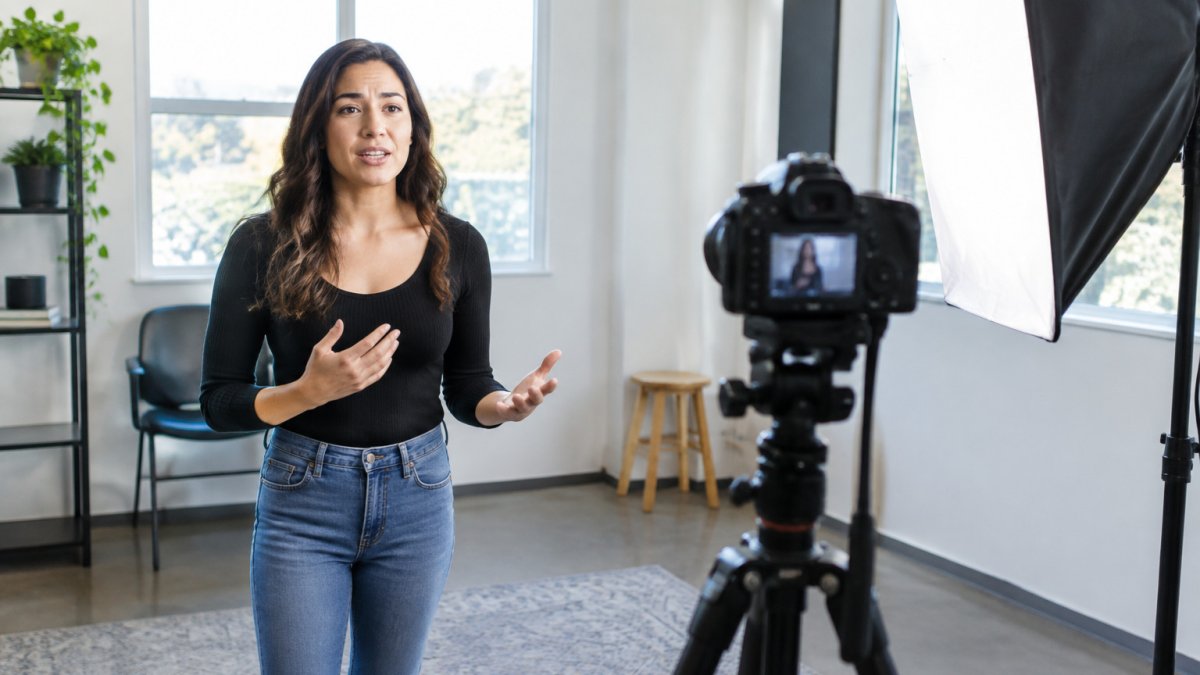
Reviewing your own footage can reveal habits you could not feel in the moment. Look for classes that include camera work, not only classroom readings.
Building an Acting Resume That Casting Teams Will Read
An acting resume is often the first thing a casting director scans. Once yours is in shape, see how to build a professional acting demo reel to pair with it. It should list training, representation, past credits, and special skills in a clean, readable format. Keep it to one page, put your name and contact information at the top, and list credits by project type.
Casting teams read resumes quickly, so accuracy matters more than length. Include only roles you actually performed, and be specific about the production and your role. Leave out training you cannot discuss confidently in an interview.
Your demo reel should match the resume. A short, well-edited reel showing your strongest on-camera moments does more than a long compilation. SAG-AFTRA guidance on professional performer resumes
Join our acting classes in Ventura today! →
How to Get an Acting Agent and Where Classes Fit In
Agents typically look for actors who are already working, already getting auditions, or already have strong materials. Classes can help you build those materials, but they do not replace the work of submitting consistently and networking with industry professionals.
Many actors pursue representation after they have a usable reel, a clean resume, and a few regional credits. Approach agencies with polished materials and a clear sense of the roles you are right for.
Pricing, Eligibility, and Outcomes: How to Evaluate a Program Before You Enroll
Most acting-school pages describe their training but leave you to guess the total investment and whether you are even eligible for the auditions they hint at. Treat this section as a buyer’s checklist: compare programs on cost structure, eligibility, and verifiable outcomes before you pay a deposit.
Build a true cost picture. Tuition is only one line. Ask each program for:
Tuition per term or per course, and whether it is billed upfront or in installments.
Class length and total contact hours, so you can compare cost per hour rather than sticker price.
Ask each program for the all-in number in writing.
Check eligibility before you fall in love with a program. Confirm:
- Age ranges and whether minors need a guardian present.
- Prerequisites, some scene-study and on-camera classes require prior training or an audition to enroll.
- Union status rules; SAG-AFTRA members and eligible-to-join actors sometimes face different requirements for showcase or casting participation.
- Location and schedule format (in-person, hybrid, or self-tape-based), since audition access often depends on being local to the market.
Separate outcomes from promises. Ask the school to describe, without guarantees, how students have reached auditions: showcase participation, invited agent or casting-director attendance, self-submission coaching, or referral relationships. Be cautious of any claim of guaranteed casting access, and ask whether any opportunities are paid, unpaid, or unpaid-but-credited.
Run a five-step selection process.
- Shortlist three programs that match your goal (skill-building, on-camera, or audition technique).
- Request the full fee schedule and the class calendar.
- Audit or sit in on a class, and note class size and how much individual feedback each student receives.
- Ask the instructor about their professional background and how they currently work in the industry.
- Prepare your materials, a one-page resume, a short reel, and a clear sense of the roles you are right for, before you enroll, so you can judge whether the program moves those materials forward.
Results depend on your experience, preparation, and submission habits.
Before you enroll, compare programs on the points below so you can judge cost and eligibility on paper. For a local comparison, see the best acting classes in Ventura County.
| Check | What to ask | Why it matters |
|---|---|---|
| Tuition | Per term or per course, and billing schedule | Shows the real upfront cost |
| Total hours | Class length and total contact hours | Lets you compare cost per hour |
| Age and guardian rules | Age range and whether minors need a guardian | Confirms who can enroll |
| Prerequisites | Prior training or audition required | Some classes need prior experience |
| Union status | SAG-AFTRA member rules for showcases | Membership can change requirements |
| Format and location | In-person, hybrid, or self-tape based | Audition access often depends on local market |
Choosing Your Next Step at Ventura Actors Studio
If you are considering acting classes that lead to auditions, the best next step is to clarify your goals. Decide whether you need skill-building, audition preparation, on-camera training, or industry guidance, then choose the path that addresses that need. before you commit.
At Ventura Actors Studio, our small classes and mixed-level instruction give students personal attention. Before committing, you can meet the instructors and learn about their backgrounds. Take the next step by contacting us for current program details.
Frequently Asked Questions
Is 25 too late to start acting?
No. Many working actors begin formal training in their twenties and thirties, and adult students are a core part of most studio enrollments. What matters more than age is consistent practice, honest feedback on camera work, and a clear plan for building material for auditions. Adult beginners should look for mixed-level classes that include on-camera work. Starting with a few focused classes and reviewing your progress after a season is a practical way to judge whether the training is moving your career forward.
How do I know if an acting class will help me get auditions?
Ask the studio directly what happens after the class ends. Look for specifics: whether casting seminars or industry guests are included, whether students are prepared with headshots and resumes, and whether the program has a record of graduates booking roles. Be cautious of promises that equate enrollment with casting. Classes build skills that make you more competitive, but they do not guarantee auditions. Request examples of past outcomes and check whether they are verifiable.
Do acting studios provide direct access to casting directors?
Some do, but access varies widely and is rarely guaranteed. Programs may offer casting workshops, showcases, or occasional visits from industry professionals, yet these opportunities depend on schedules, eligibility, and experience level. Before enrolling, ask how often industry contact occurs, who is eligible to attend, and whether any opportunities are included in the tuition or cost extra. Treat direct casting access as a benefit to confirm, not an assumption.
What should I look for in an acting coach to advance my career?
Look for instructors with recent professional credits in the areas you want to work in, whether that is television, film, or commercials. Experience teaching on-camera technique, not only stage work, matters for screen careers. Small class sizes make it easier to receive individual notes on your audition material. Ask how the coach approaches audition preparation, scene study, and script analysis, and whether they can describe a clear process you will use beyond the classroom.


Related Posts
How to Choose an Acting School: A Practical Guide
Learn how to choose an acting school by checking goals, faculty experience,…

How to Get Into TV Acting: A Step-by-Step Guide
Learn how to get into TV acting, from training and classes to headshots, demo…

How to Prepare for Professional Film Auditions
Prepare for film auditions with a step-by-step process covering self-tapes,…